
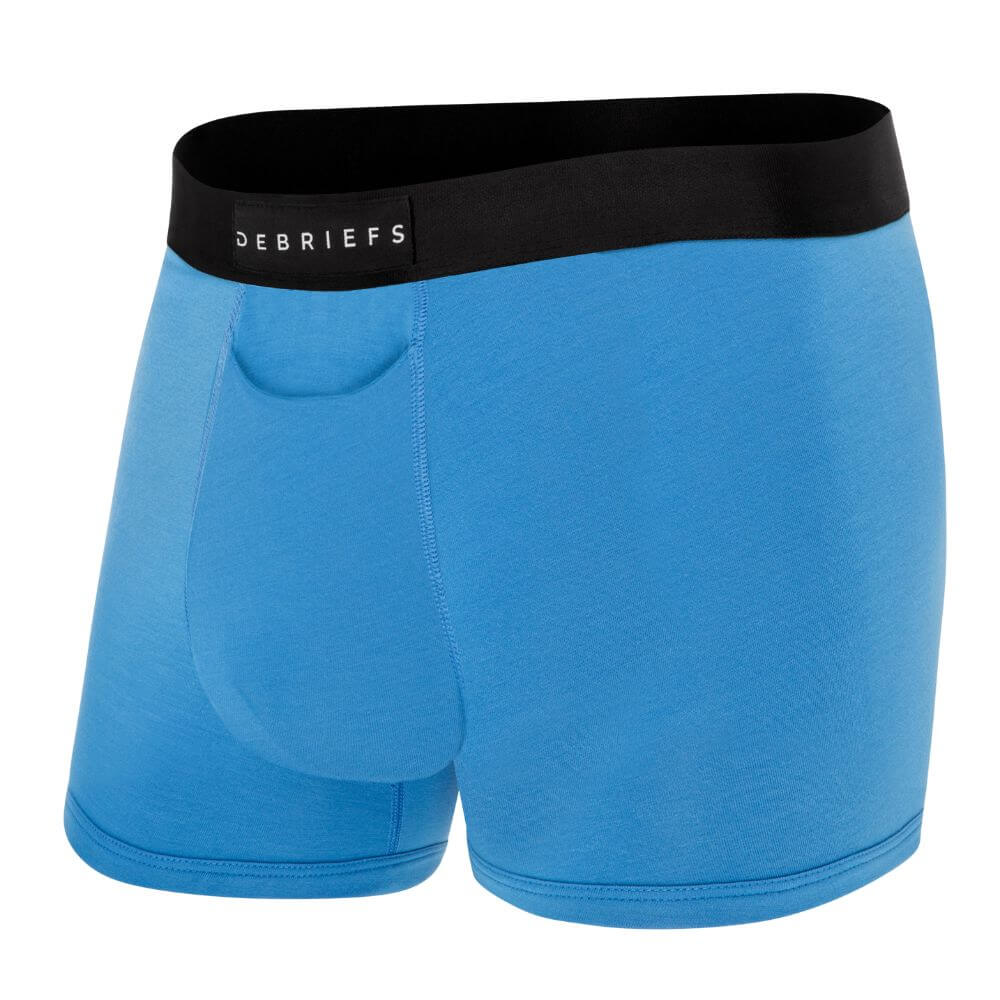
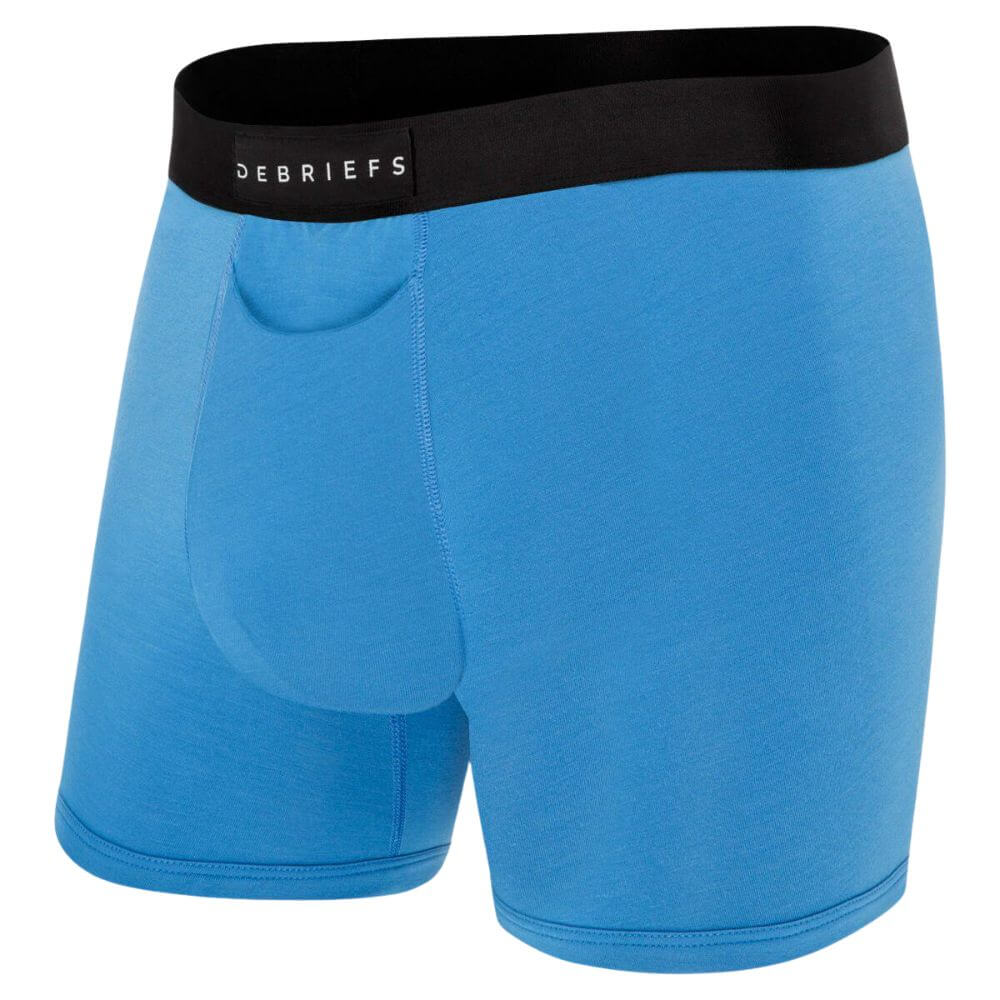
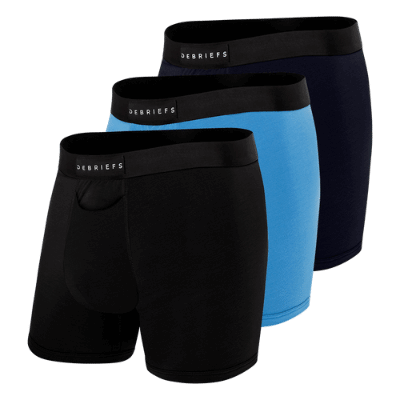
My mate Dan is a sparkie. Does long days on sites around Western Sydney. He asked me once what underwear he should actually be wearing, because I run an underwear company and he figured I'd know. Turns out he'd been spending more on underwear in the past two years than on work boots, buying the same $12 cotton packs from Kmart, watching them fall apart in three months, and buying more.
He wasn't even thinking about comfort. He was just replacing the ones with holes.
I make underwear from MicroModal, so I knew exactly what his problem was. But I wanted to make sure I wasn't just being biased, so I spent a weekend reading every Reddit thread I could find.
Warehouse workers, nurses doing 12-hour ward shifts, couriers, blokes in mining and construction. Same complaints everywhere. Riding up, chafing, the moisture thing, underwear that falls apart after two months of heavy use. And the same surprised tone when they found something that actually worked: "I can't believe undies made this much difference."
Another bloke on r/BuyItForLife described his underwear situation six hours into a warehouse shift as "wearing a warm sponge between my legs." Forty people upvoted that. Because they were living it.
The best underwear for long shifts comes down to three things:
- the right fabric,
- flatlock stitching,
- and a wide waistband.
That combination handles moisture, friction, and heat in a way that cotton can't. If you're doing 12-hour days on your feet (or in a cab, or on a ward), the difference between good underwear and whatever's cheapest at the supermarket is the difference between forgetting you're wearing them and adjusting every time you stand up.
Cotton is the problem (and nobody talks about it)
Every bloke who works long shifts starts in cotton. It's cheap, it's everywhere, your mum bought it for you when you were 14, and you never questioned it.
I wore cotton for years before I started Debriefs. Genuinely thought my legs were just the wrong shape or something. Three years of that before I even considered the fabric might be the issue, not my body.
Cotton absorbs moisture. That's supposed to be the good part. But it absorbs and holds. It doesn't release anything. By hour four or five on a physical job, you're sitting in damp fabric that's getting warmer by the minute. According to the Cleveland Clinic, moisture combined with friction is exactly what causes skin irritation. If you've ever finished a shift with raw inner thighs, that's what happened. The cotton trapped the sweat, your thighs rubbed against wet fabric for eight hours, and your skin paid for it.
Nurses get it bad. You're on your feet for 12 hours, moving between rooms that are all different temperatures, squatting down to patients, then standing for long stretches at a station. Cotton is the worst possible choice for that kind of day, and it's what most people default to because it's what they've always worn.
And then the stretch goes. Cheap elastane blends start snug in the morning and by lunchtime the waistband is rolling down, the legs are riding up, and you're adjusting in the breakroom hoping nobody's watching. Couriers have it even worse: in and out of a van 40 times a day, the constant switching between sitting and moving destroys cheap underwear faster than almost any other job.
Dan told me he thought that was just what underwear did.
They all ride up by noon. He said it like it was a weather pattern.
Why I chose MicroModal (and why it matters for long shifts)
I should be upfront: I make underwear from MicroModal. Debriefs has been using it since 2017. So take what follows with that in mind. But I chose it for specific reasons, and those reasons are the same ones that matter if you're on your feet for 12 hours.
MicroModal is made from beechwood pulp. Sounds ridiculous. Sounds like something you'd burn in a fireplace, not wear under your King Gees. But the stuff is 50% more absorbent than cotton AND it wicks moisture away instead of trapping it.
By hour six, your cotton undies are that warm sponge the Reddit bloke was talking about. MicroModal undies are dry.
I've been wearing MicroModal daily for close to nine years now. The thing that still gets me is how little you think about it. There's no moment in the afternoon where you suddenly become aware of your underwear. With cotton, that moment hits around 2pm like clockwork. With MicroModal it just doesn't come. That sounds like I'm selling something. I know. But after thousands of days in the stuff, it's what I keep coming back to.
The odour thing is one I had to test myself before I believed it. I always assumed underwear smell was a hygiene issue. It's a fabric issue. Polyester is the worst offender: one physical shift and the smell locks into the fibre. No amount of washing fully gets it out. Cotton is better but still holds bacteria in the weave. MicroModal's fibre surface is smooth enough that bacteria can't get a grip, so the smell never builds up the way it does with rougher fabrics. The difference after a 10-hour day is noticeable. I've run side-by-side tests with cotton and polyester pairs. It's not close.
But the thing that convinced me to build a whole company around this fabric was durability. Dan was going through cheap cotton packs every three months. The pairs that hold up well over time, the ones blokes in those Reddit threads describe as "still going strong after two or three years," are almost always MicroModal or a MicroModal blend. Cotton can't compete on lifespan. It just can't. After 30 washes you can see through most cotton pairs if you hold them up to the light.
There's a thread on r/BuyItForLife where someone asked what fabric items survive a thousand washes. The top answers were all MicroModal or merino. Cotton didn't rate. Neither did polyester. The people who spend $30-40 on a pair and keep them for years are spending less per wear than the blokes cycling through $10 packs every quarter. But you only see that in hindsight. At the register, $36 for undies feels steep when you could get five pairs for twenty bucks. I get it.
Now, merino. I've tested merino extensively and it's genuinely good. Better temperature regulation than MicroModal, arguably better odour resistance. I chose MicroModal over it for a few reasons: merino is $40-60 a pair at the quality level that actually performs, it needs cold washing and hang drying (basically treat it like a family heirloom), and it pills if you look at it wrong. After a 12-hour shift most blokes are throwing everything in the machine on whatever cycle they hit first. MicroModal survives that. Merino probably won't. If you're the type who separates your darks and does gentle cycles, merino is worth a look. I'm just not that person, and most of the blokes I sell to aren't either.
Bamboo is soft out of the packet and the price is right. But it loses shape after 20-30 washes and starts pilling. Good enough for weekends. Not something I'd trust for a full work week on repeat.
The boring stuff that matters
I'll keep this bit short because it's not exciting. But I've learned the hard way that stitching and fit matter more than I gave them credit for.
Flatlock stitching sits flat against your skin. The other kind (overlocked) creates a raised ridge that you won't notice until you've been moving for a few hours. By hour five, under work pants, with sweat and movement, that ridge has been grinding into your thigh all afternoon. Flatlock eliminates it entirely.
The waistband matters too: wide elastic that spreads the pressure out. Too tight and it digs in, rolls, leaves marks. Too loose and it's the adjusting-every-20-minutes thing again.
For anyone on their feet all day, longer boxer briefs make a real difference. The extra fabric sits between your thighs and stops skin-on-skin contact, which is where most chafing happens. Nurses, tradies, warehouse workers, couriers: if you're walking, squatting, or climbing stairs for hours, the inseam length matters more than the brand. For drivers and desk workers, a shorter inseam is fine. Chafing isn't your main problem. Heat buildup is. You want something with better breathability because nothing ventilates when you're sitting on it.
Dan switched to longer boxer briefs about a year ago. He said the first thing he noticed wasn't comfort. It was that he stopped noticing. He'd get home from a shift and realise he hadn't adjusted his undies once. That doesn't sound like much until you've spent years doing the opposite.
Making them last
Work underwear takes a beating and nobody's doing careful laundry at 7pm after a 12-hour shift.
- Cold wash is the biggest one. Hot water destroys elastane faster than almost anything else. Cold keeps the stretch in the fabric for years instead of months. It's the single easiest thing you can do.
- Skipping the dryer helps too, but I know that's a big ask when you're getting home wrecked. Even doing it half the time makes a noticeable difference. The blokes on r/BuyItForLife who report their underwear lasting three or four years are almost all cold washing and line drying. The ones who chuck everything in hot and tumble dry are replacing pairs every six months and blaming the brand.
- Rotating more pairs helps more than people think. Five pairs for five workdays means each pair gets washed 50+ times a year. Bump that to seven or eight and you drop to about 30 washes per pair. Less wear, longer life.
Dan's $12 cotton packs that lasted three months cost about 13 cents a day and he was uncomfortable for most of it. The maths is closer than you'd think. The comfort gap isn't. If you want the full fabric breakdown, it's worth a read.
What blokes working long shifts actually ask
- What's the best underwear for 12-hour shifts?
- MicroModal boxer briefs with flatlock stitching and a wide waistband. Handles moisture, friction, and odour better than cotton or synthetics. If you're on your feet, get a longer inseam.
- Is cotton OK for physical work?
- For a few hours, sure. Past four or five hours of physical work, cotton holds too much moisture and chafing gets worse. You'll be adjusting by lunch.
- How many pairs do I need?
- Seven or eight. Full work week plus a couple of extras. More rotation means fewer washes per pair.
- How often should I replace them?
- Good quality pairs with a decent rotation should last 12-18 months. If the elastic is rolling or the fabric is thinning, they're done.